

IBM consistently nail the core problems facing banks, and this one is central.
This paper addresses one of the most serious challenges that banks face today: How to deliver their strategic objectives while being hindered by increasingly complex and inflexible business and technology operating models.
Source: IBM Progressive Transformation – Consultant points of view
The current state of technology at banks is summarised. The key points are complexity, duplication, and inflexibility. These drive additional cost.
The problem facing banks today
After years of concerted cost-cutting, sustained and consistent revenue growth has returned to the agenda of many banks. However, new products, channels and geographies have made operating models too complex.For many banks, products, channels and lines of business are only partially integrated, and organizations continue to be structured along product or geographic lines rather than customer segments. Investment budgets are often driven by this organization structure. The result is increased complexity and a lack of horizontal leverage across the enterprise.
In fact, during the past decade complexity has increased dramatically, to the point that hidden costs have begun to limit the benefits of economic scale. Banks suffer from significant duplication of process activities across products, which often lead to replicated IT applications and infrastructure. This happens even after process optimization initiatives as these initiatives are often uncoordinated. The result is increased costs associated with people, processes and technologies, as well as limited flexibility.
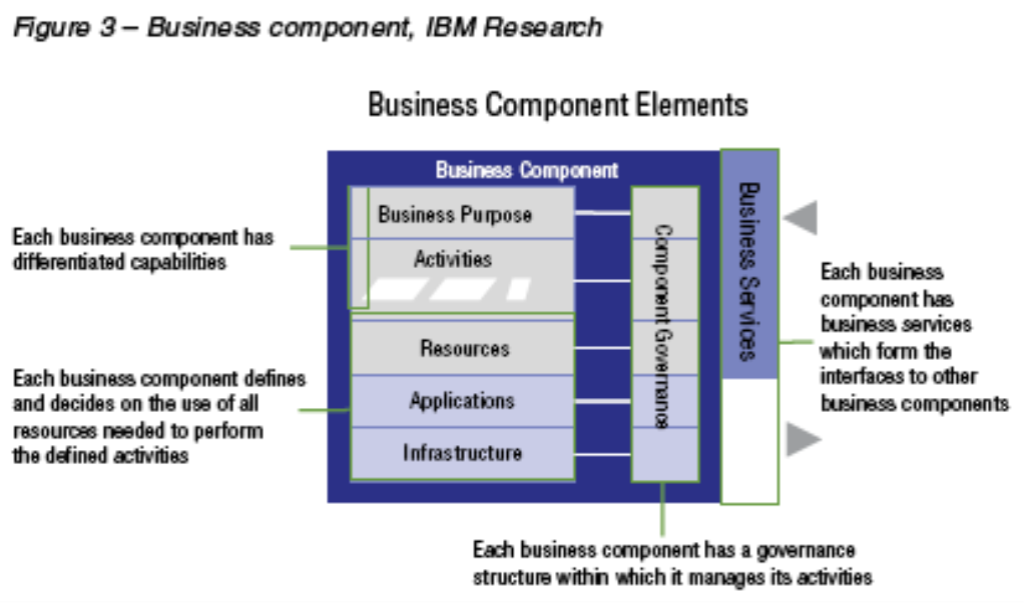
The paper talks about progressive transformation, by breaking the problem down into components, that we have blogged about before.

 Bankwatch