

Over the past 30 years the IMF has adapted to global shocks and evolving member needs
Source IMF
I respect the IMF and their comprehensive view of the world since WW2. This latest is a useful summary of recent banking and financial crises.
>Dear Colleague,
>The IMF has always adapted to the evolving needs of its member countries, and the pace of change has accelerated in the past 30 years, the IMF’s Atish Rex Ghosh and Andrew Stanley write in F&D magazine’s Picture This series.
In response to financial crises, the IMF not only stepped-up lending but also enhanced its crisis prevention and resolution tool kits, they continue. Shifts in global economic conditions and new ways of thinking have also driven numerous reforms.
The authors add that, more recently, the IMF has helped its members address governance, gender equity, digitalization, and climate change adaptation and mitigation where these issues are macro-critical, alongside providing advice on macroeconomic, financial, and exchange rate policies.
“As the global landscape continues to evolve, the Fund remains committed to its mission, constantly innovating within its mandate to promote both domestic and external economic and financial stability. With this commitment, the IMF is well prepared to meet the complex challenges of today and the unforeseen events of tomorrow.”

1. 1995-2005: Low-Income-Country Lending Reforms
In response to poor macroeconomic performance and declining per capita incomes during the debt crisis, the IMF reformed its lending tool kit in the mid-1990s to focus on growth and poverty reduction for low-income countries. It also extended full debt relief on outstanding obligations.
2. 1995-2002: Emerging Market Financial Crises
The emerging market financial crises prompted the IMF to enhance its exchange rate and financial sector surveillance, develop early-warning models, focus on debt sustainability and sectoral balance sheet analysis, and improve data provision and dissemination. The IMF streamlined its conditionality and created contingent financing instruments for countries with strong policies but suffering contagion from crises in neighboring countries or global shocks.
3. 2008-2014: Global Financial Crisis
During the Global Financial Crisis, the IMF increased its lending, streamlined conditionality, enhanced its tool kit, and issued $284 billion worth of special drawing rights (SDRs). It improved its crisis prevention tools and surveillance framework to better capture cross-border spillovers and help countries manage volatile capital flows.
4. 2020-2022: COVID-19 Pandemic
During the pandemic, the IMF swiftly provided unprecedented emergency financing and suspended debt-service payments for its poorest members. It also issued $650 billion worth of SDRs, with the RST allowing wealthier members to channel SDRs to countries in greater need.

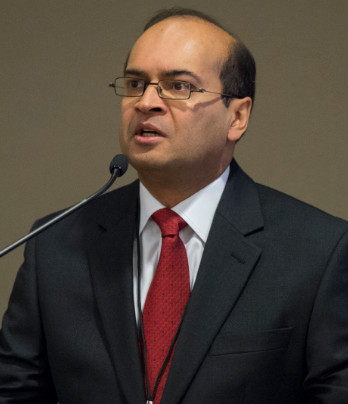
ATISH REX GHOSH is historian at the IMF.

ANDREW STANLEY is on the staff of Finance & Development.
 Bankwatch